
Flowers, Images, and Identity
The Power of the Dog (Thomas Savage Edition)This flow traces how flowers and acts of arranging them express beauty, social aspiration, and the characters’ fragile sense of self.
increasing Bearing strength in each event
 decreasing
Bearing strength in each eventdecreasingRose’s Childhood Art
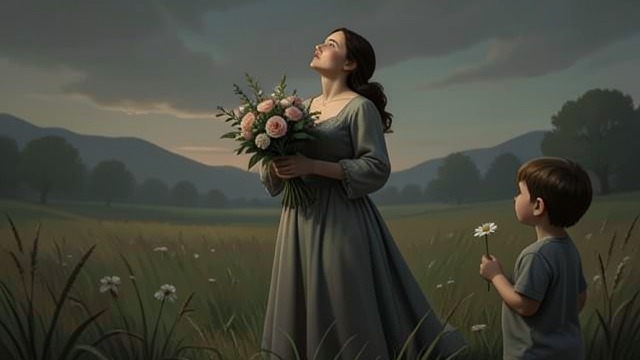
Rose’s Childhood Art
A Recognized Talent
Rose arranges flowers for school ceremonies and becomes known for her skill. Her family sees this work as a source of pride and a possible future occupation.
Identity in a Small Achievement
The arrangements give Rose a place on the program even when she is not an academic leader. Flowers become a durable part of how she understands herself.
Paper Flowers at the Inn
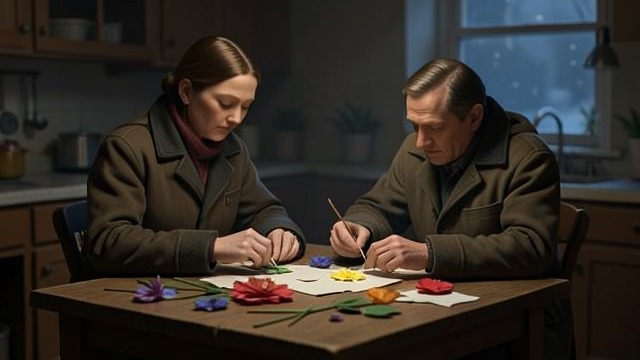
Paper Flowers at the Inn
A Family Craft
Rose and Peter make flowers from paper and collected plants during winter. The objects add color to the restaurant when living flowers are unavailable.
A Cruel Reception
Phil mocks the flowers during the cattle outfit’s meal. Peter answers calmly, but the incident exposes how beauty can become a target in a culture that prizes toughness.
A Natural Arrangement
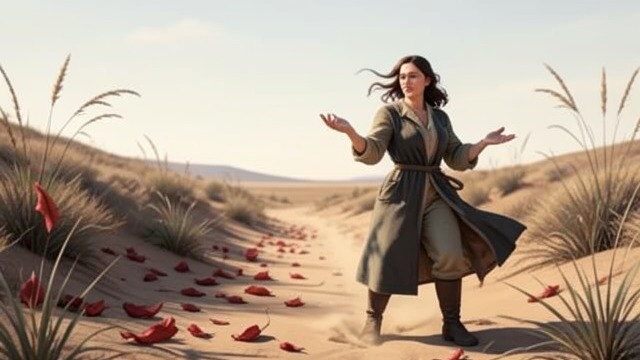
A Natural Arrangement
Rose Seeks Her Past
Feeling that she has lost her identity at the ranch, Rose makes an arrangement from tumbleweed and red leaves. She hopes to surprise and please George.
Phil Reads a Threat
Phil studies the object and recognizes its imaginative force. Rather than dismissing it, he sees in Rose a capacity to make much from little, which briefly makes her seem dangerous to him.
The Arrangement at Dinner
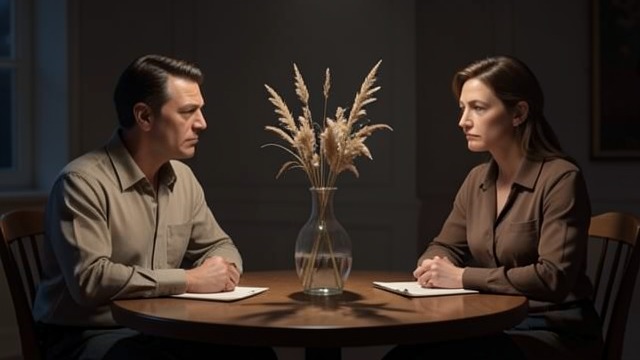
The Arrangement at Dinner
A Guest’s Ambivalence
The governor and his wife notice Rose’s arrangement but disagree about what it means. They interpret the work through their own assumptions about status, ambition, and femininity.
Beauty Misread
The arrangement becomes a screen for social judgment. Rose’s effort to express herself is treated as evidence about her character rather than received simply as art.
Flowers After Death
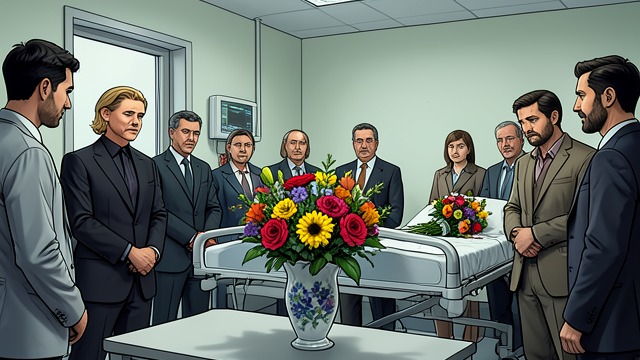
Flowers After Death
Grief Made Visible
Flowers fill the funeral and are later sent to the hospital. Their abundance offers a public response to a man whose private life was marked by unspoken attachments.
The Motif Reversed
Flowers that once represented Rose’s talent and vulnerability now accompany the end of Phil’s power. The motif joins beauty, memory, and the fragile possibility of renewal.
Rose’s school years
Winter in Beech, before George’s marriage
Early 1925
Spring 1925
After Phil’s funeral
